I’m in another Scandinavian port city, and this one is really pretty…


Oslo was first founded in 1048, but a huge fire destroyed most of the old city in 1624. After that, the Danish King Christian IV, who was at the time also King of Norway, moved everybody to the other side of the harbor and named the new settlement Christiania. In 1925, the city changed its name back to Oslo.
In 1299 the Akerhus fortress was built overlooking the town…


The land around the church has changed many times and the fortress had to adapt along the way. The end result is that you have to know what you are looking at to pick out the parts that are original…

the parts that were added in the renaissance…

and the parts that are from the 17th century…

It is still in use today, but not for defense purposes. In fact, the fortress is still the property of the Norwegian monarchy and is a symbol of Norwegian nationalism. The royal guards still patrol the walks…

In WWII the fortress was occupied by the Germans. There were many better locations to use for a modern headquarters, but they used their occupation of Akerhus as a symbol of oppression. They also used the site to execute several Norwegian resistance fights at the end of the war. Every year the king lays a wreath on the site of the executions…

Now the fortress is used for official functions involving the Norwegian king. After all, it does provide a spectacular view of the harbor…

I also went to the Vigeland Sculpture Park. The story here is that Gustav Vigeland's house was slated to be demolished for a new library. In exchange for a new home and a workshop, he promised to leave all of his subsequent works for the city. The park is now where 212 of his bronze and granite statues stand
It is a really big place…


It has an enormous number of bronze and granite sculptures capturing all sorts of human emotion. Most of them representing opposites or unity…


The next day’s walk was much nicer and I am really pleased that the “museum” that I decided to go see was actually a large outdoor showcase of traditional Norwegian farm life. It reminded me of my internship at Mt. Vernon so I took a lot of pictures…


Those photos are from various farmstead buildings the museum rebuilt and are meant to portray what life was like in the mid-nineteenth century. I took a lot more pictures than what you see here because I thought this was as close as I would come to seeing what life was life for my Swedish ancestors before they immigrated to America and the Midwest. Hope you enjoy the pictures Grandma Dial!!
There were historical interpreters like the young lady above who were recreating period specific activities. She was making coffee with a hand grinder, others were making pottery…


but my favorite was the homemade lefsa…


Lefsa is a traditional Norwegian sweetened flatbread that was made for special occasions. It wasn’t a special occasion, unless you count me being in Norway, but the bread was really tasty all the same.
Not all of the buildings were from the mid-1800’s though. The most spectacular building was the Gol stave church….


One farmstead was dedicated to 1950’s life and it again reminded me of Grandma…


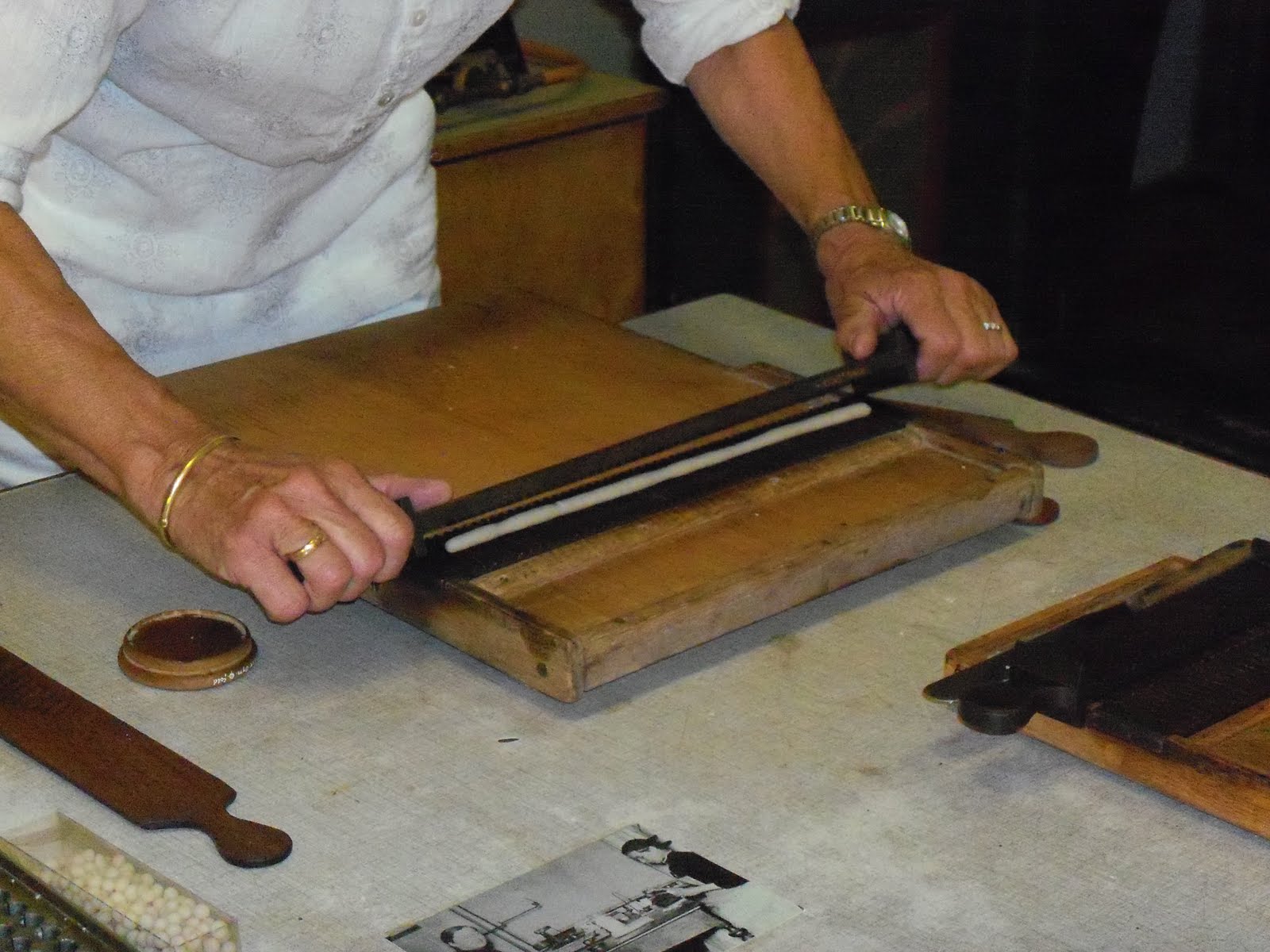
I was even more surprised when the little town recreation featured a pharmacy with a retired pharmacist demonstrating old pharmaceutical equipment…



Traditional Norwegian song and dance was another activity that was showcased by the museum…


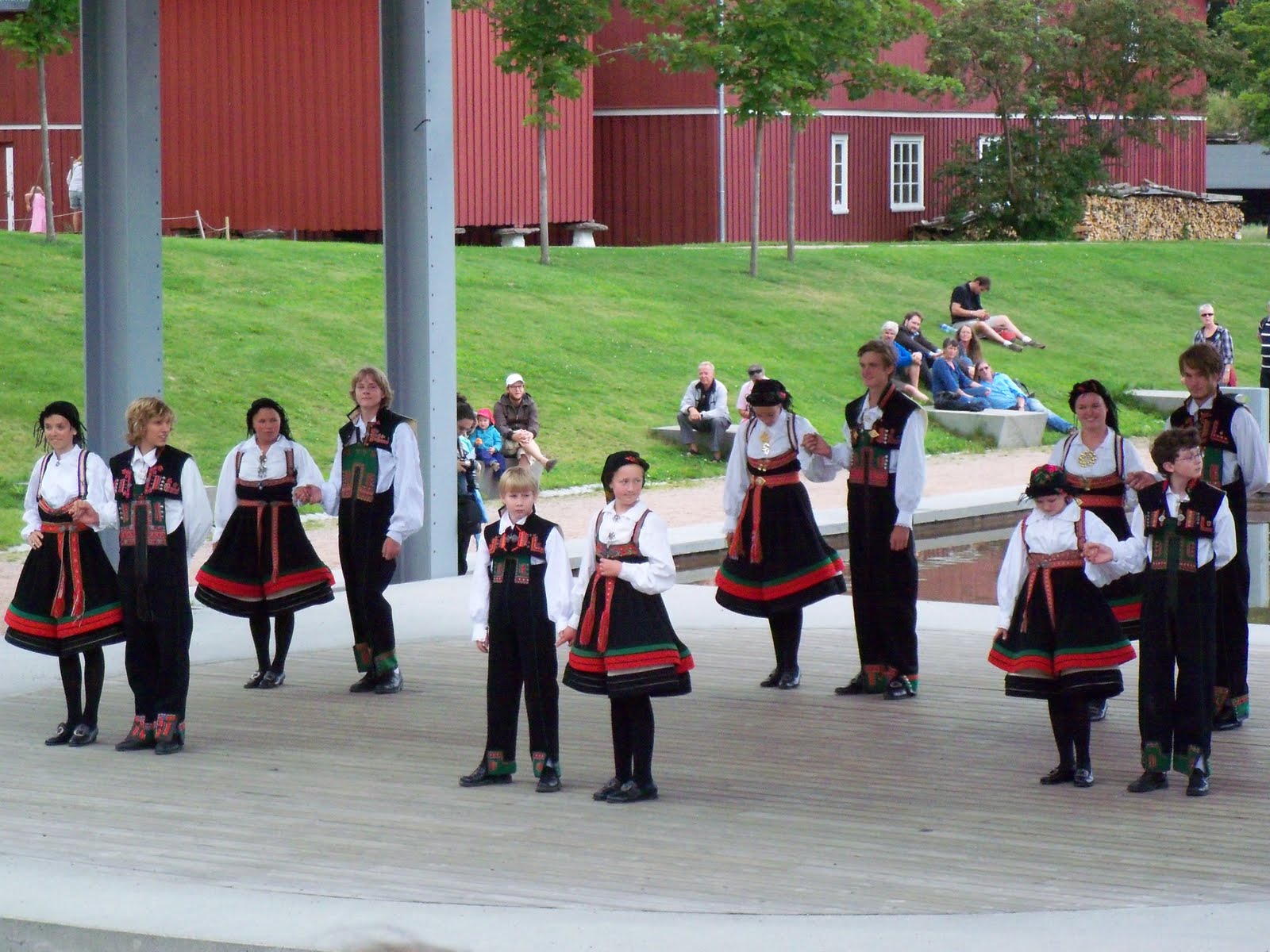


Most of this was all traditional Norwegian dress and dance, but they admitted that many things were also Swedish. Norway was ruled by Sweden until a peaceful separation in 1905.
One thing I found surprising was the lack of information on the Vikings. You didn’t see anything in the tourist information booths about places to go and learn about those axe-wielding raiders. In fact, not much was said about that epoch in their history in any of the museums except for one spectacular exception…
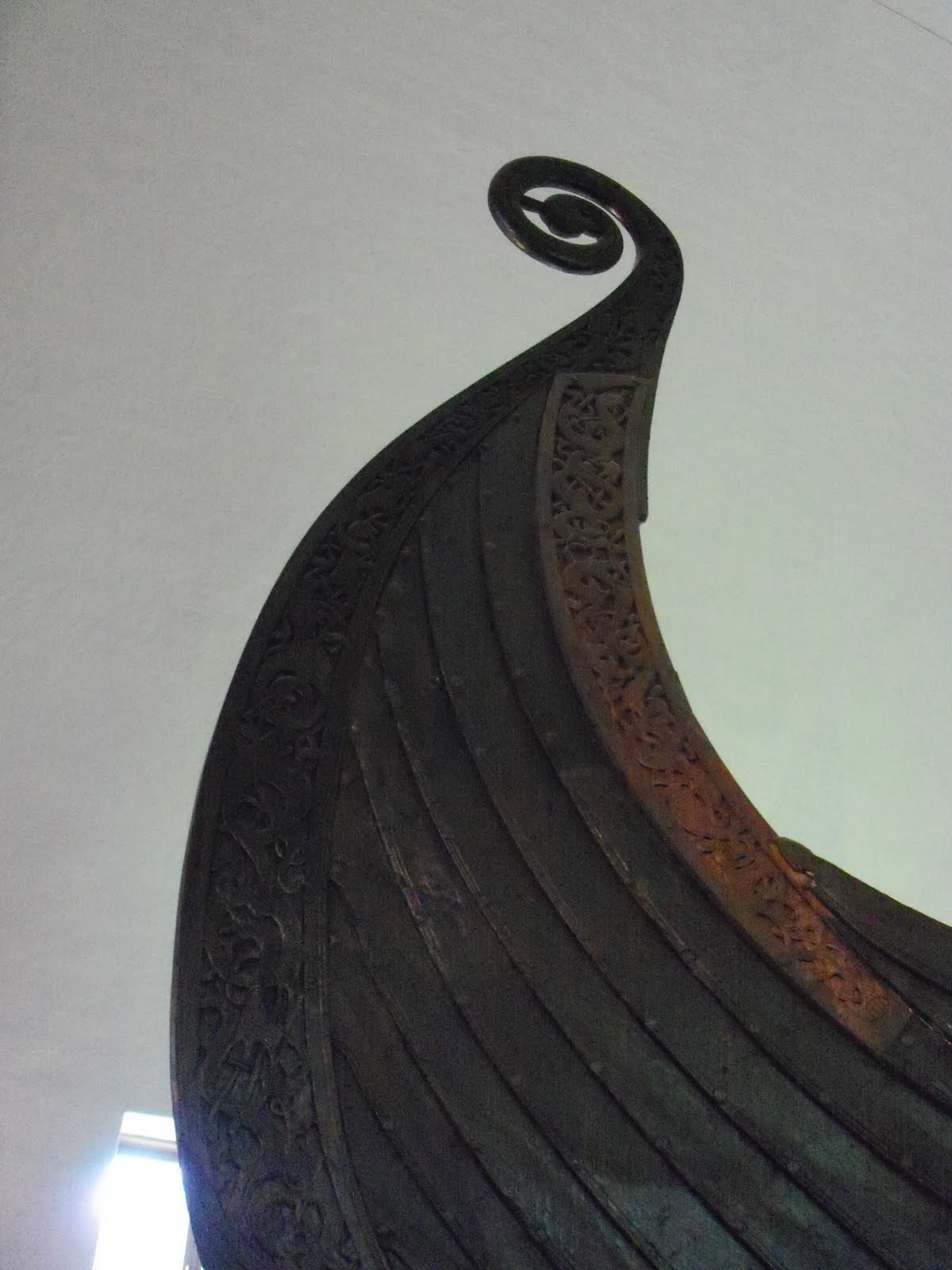


The Viking Ship museum has three ships on display, two of which were in excellent condition. All of them were burial ships, so a number of artifacts were also on display as well as information about the deceased. That was it for the Vikings, but not for the intrepid explorers. While waiting for the ferry I visited the FRAM museum. FRAM was an specialized exploration ship for arctic and antarctic missions. It was the ship that carried the Roald Amundsen's successful pioneering mission to the antarctic where Amundsen became the first to reach the south pole.
Here is the bow with steel guards against the ice…

Here is the rest of the ship…

They even let you go on board to see what the explorers went through…


Like these men, I now am heading further north. So much for “normal” sunlight hours.


